
AgricultureUSDA · APHIS · CBPVer en español →
Agricultural Customs Broker for U.S. Import Clearance
Licensed CBP, USDA and FDA clearance for fresh produce, plants, flowers, grains and plant products entering the United States. Admissibility, phytosanitary requirements, treatments and entry filing — resolved before the cargo moves.
Entry summaryLatin Gate CHB
- Experience
- 25 years clearing U.S. entries
- License
- Licensed CHB with National Permit
- Ports
- All U.S. ports — not just Miami
- Languages
- English · Spanish · Portuguese
- Security
- TSA certified
- Ownership
- Owner-led — nearly 40 years in trade
The first question is not how. It is whether.
In most import categories, the question is how to comply. In agriculture, there is a question that comes before that one: can this product enter the United States from this country at all? For plants and plant products, the answer is not always yes — and when it is no, no amount of paperwork changes it.
The United States protects its own agriculture aggressively. USDA’s Animal and Plant Health Inspection Service decides which commodity-origin combinations are allowed and under what conditions, and a combination that is not already authorized requires a market access process that typically takes years, not weeks. Shipping first and asking later is how exporters lose entire containers.
Latin Gate Customs Brokers has been clearing agricultural and FDA-regulated cargo since 2001. We are based in Miami, the largest port of entry for fresh produce and cut flowers from Latin America, and we file at ports across the country. The first thing we will tell you is whether your product can enter. The rest follows from there.
Who we work with
Party A · Shipper
Growers, packers and agricultural exporters
You grow it, pack it and want it on a U.S. shelf. Between you and that market sits an admissibility question, a phytosanitary system, a treatment schedule and an inspection at the port that can condemn a lot in an afternoon. We work directly with growers, packing houses, cooperatives and exporters — in your language — starting with whether your product is admissible at all.
What growers need →Party B · Importer of record
U.S. importers and distributors
You are the importer of record, which means the legal responsibility for classification, valuation and compliance sits with you. In agriculture that comes with additional layers: USDA permits, Lacey Act declarations, organic certification data, and a PACA license if you handle fresh fruits and vegetables. We help you carry all of it.
What importers need →Party C · Forwarder
Freight forwarders and trading companies
You move the cargo or broker the deal. We clear it. A licensed, bilingual customs broker with real agricultural experience and multi-port coverage makes your service faster and your clients calmer.
Partner with us →Exporting your agricultural products to the United States
What a grower or exporter outside the United States needs in place before the first shipment — and what we handle on your behalf.
- E-01
Admissibility check — before anything else
We confirm whether your specific commodity is admissible into the United States from your specific country, and under what conditions, using APHIS’s own databases. This is the first call we make for any agricultural client, and it has saved more money than every other service on this page combined.
- E-02
APHIS import permit
Many plants, seeds and plant products require a permit issued by APHIS to the U.S. importer before the shipment leaves. We determine whether yours needs one and handle the application through APHIS eFile.
- E-03
Phytosanitary certificate and additional declarations
The certificate is issued by the plant protection authority in your own country, not by the United States. What we do is tell you exactly what it has to say — including the additional declarations APHIS requires for your commodity — so it is not rejected for wording.
- E-04
Treatment planning
Cold treatment, fumigation or irradiation, depending on the commodity and origin. These shape your cost and your transit time more than almost anything else, and they have to be planned before the fruit is loaded, not discovered at the port.
- E-05
Organic certification data
If your product is sold as organic in the United States, every shipment needs an NOP Import Certificate issued through USDA’s database by your certifier, and its data has to be filed electronically with the entry. We coordinate that with your certifier and your importer.
- E-06
HTS classification and landed cost
What your buyer will really pay in duty once the product lands — including the treatment and inspection costs most exporters leave out of their first calculation.
Exporter or U.S. importer? A 15-minute call is enough to map what your product needs before it ships.
Importing agricultural products into the United States
End-to-end customs clearance for fresh produce, plants, grains and plant products entering the U.S. market.
- I-01
Customs entry and clearance
Entry filing at all U.S. ports of entry — ocean, air, truck and rail. Continuous and single-transaction bonds, ISF filing, and coordination with your carrier and terminal so the entry is ready when the cargo lands.
- I-02
APHIS data and agricultural inspection
Permit data, phytosanitary documentation and the partner government agency filings that APHIS requires at entry, plus coordination with the agricultural specialists who will inspect the shipment.
- I-03
Lacey Act declarations
Required for a growing range of plants and plant products. Since January 1, 2026, APHIS no longer accepts paper declarations — everything has to be filed electronically, through CBP’s ACE or USDA’s own system. We file it with the entry.
- I-04
FDA requirements where the product is also food
Edible produce carries FDA obligations on top of the USDA ones: Prior Notice, FSVP and the produce safety rules. We handle both sides, and our food page covers that half in detail.
- I-05
PACA licensing and marketing orders
Commercial handlers of fresh fruits and vegetables generally need a PACA license, and certain commodities are subject to USDA grade and quality standards at import. We tell you which apply before you commit to a purchase.
- I-06
Exams, holds and interceptions
When a pest is found or the documentation does not match, the response has to be fast. We handle the treatment, re-export or destruction decision and the paperwork that closes it out.
Where agricultural shipments actually get stopped
Five things account for almost every agricultural shipment that does not clear. The first one is the one nobody checks until it is too late.
01The product is simply not admissible from that country
This is the failure mode that has no workaround, and it is the reason we start every agricultural conversation here.
APHIS decides which commodity-origin combinations may enter the United States and under what conditions. Those decisions are published in its databases — the Fruits and Vegetables Import Requirements database for produce, and the broader Agricultural Commodity Import Requirements system for other commodities. If your fruit from your country is not listed, it cannot be imported. Not with better paperwork, not with a different broker, not with an expedited process.
Opening a new commodity-origin combination requires a formal market access process driven by your country’s plant protection authority and APHIS, including a pest risk assessment. It typically takes years. That is not a reason to give up — it is a reason to find out now rather than after you have planted, packed and booked.
Worth knowing: dried, cured, cooked or otherwise processed fruits and vegetables are treated very differently from fresh ones, and many are generally admissible from all origins without a permit or certificate. Sometimes the fastest route into the U.S. market is a change in how the product is presented.
Also absolute: soil is generally prohibited from entering the United States and is only authorized under strict permit conditions. A shipment arriving with soil on it — on roots, on equipment, in the packaging — is a problem regardless of what the commodity is.
02A missing permit, or a certificate that does not say the right thing
These are two separate documents and they come from two different places. The import permit is issued by APHIS to the U.S. importer, before the shipment leaves, and is applied for through APHIS eFile. The phytosanitary certificate is issued by the national plant protection organization of your own country, confirming that the shipment was inspected and found free of the pests the United States cares about.
Most fresh produce needs the certificate. Many plants and seeds for planting need both. The most common failure is not a missing certificate — it is a certificate that does not carry the additional declarations APHIS requires for that specific commodity from that specific origin. The wording is prescribed, and a certificate that says almost the right thing does not clear.
One more practical point: the United States generally requires the original certificate, not a scan. Build that into your document flow from the first shipment.
03A treatment that was not done, or a pest found on arrival
For many commodity-origin combinations, admissibility is conditional on a treatment: cold treatment during transit, fumigation, or irradiation. These are not formalities. Cold treatment means holding the fruit at a specified temperature for a specified number of days, with calibrated probes and recorded data, and a treatment that fails its temperature profile mid-voyage is a failed treatment — the fruit arrives, and it is not admissible.
On arrival, agricultural specialists from CBP inspect the shipment, working to APHIS requirements. If a quarantine pest is found, the options are treatment, re-export or destruction, at the importer’s expense. There is no negotiation and no appeal on the biology.
What we can influence is everything around it: the right treatment selected and scheduled in advance, the documentation complete, and a plan already in place for what happens if the lot is held.
04A missing or incorrect Lacey Act declaration
The Lacey Act makes it unlawful to import plants or plant products harvested in violation of any country’s laws, and it requires a declaration at entry for a growing list of covered products. The declaration states the scientific name of each plant species, the country of harvest, the quantity and the value.
The obligation sits with the importer of record, and a supplier’s assurance that the material was legally harvested is not a defense. APHIS has been expanding the list of covered products in phases, which means products that never needed a declaration before may need one now.
Changed in 2026: since January 1, 2026, APHIS no longer accepts paper Lacey Act declarations. Everything is filed electronically, either through CBP’s Automated Commercial Environment with the entry or through USDA’s own Lacey Act Web Governance System. Paper is accepted only in emergencies, with prior approval. If you were filing your own declarations on paper, that route is closed.
05Organic product without a valid NOP Import Certificate
If your product is sold as organic in the United States, there is a requirement that catches exporters who have been shipping for years. Since March 2024, every shipment of organic product entering the country must be associated with a valid NOP Import Certificate, generated in USDA’s Organic Integrity Database by the exporter’s certifier, and its data has to be filed electronically with the customs entry.
Two things surprise people. First, the U.S. importer also has to be certified organic — under the current rules, importing counts as handling. Second, since October 2025, a certified organic shipment that arrives without a valid certificate can no longer be reconditioned into compliance. The options narrow sharply.
The certificate comes from your certifier, not from us. What we do is make sure it exists before the vessel sails and that its data reaches the entry correctly.
Tell us the commodity and the country of origin. We will tell you whether it can enter the United States, and under what conditions.
Already had a shipment held or refused?
In agriculture there are three different kinds of problem, and they have very different outcomes. The first thing to establish is which one you had.
A documentary problem is the most workable. A permit that was not obtained, a phytosanitary certificate missing an additional declaration, a Lacey Act declaration that was not filed, an organic certificate that never made it into the entry — these are paper failures, and paper can usually be corrected for the next shipment even when this one is lost.
A pest interception is biology, and there is no arguing with it. What there is, is a decision to make quickly between treatment, re-export and destruction, and that decision has real money attached. What matters afterwards is whether the interception was isolated or whether it signals something in the packing house, because a pattern changes how your shipments are treated going forward.
An admissibility problem is the hardest, because it means the product was never allowed to enter in the first place. If that is what happened, the conversation is not about this shipment — it is about whether there is a viable route into this market at all, with a different presentation of the product or through a different process.
Send us what you received. We will tell you which of the three you are dealing with, honestly, including when the answer is that this particular door is closed.
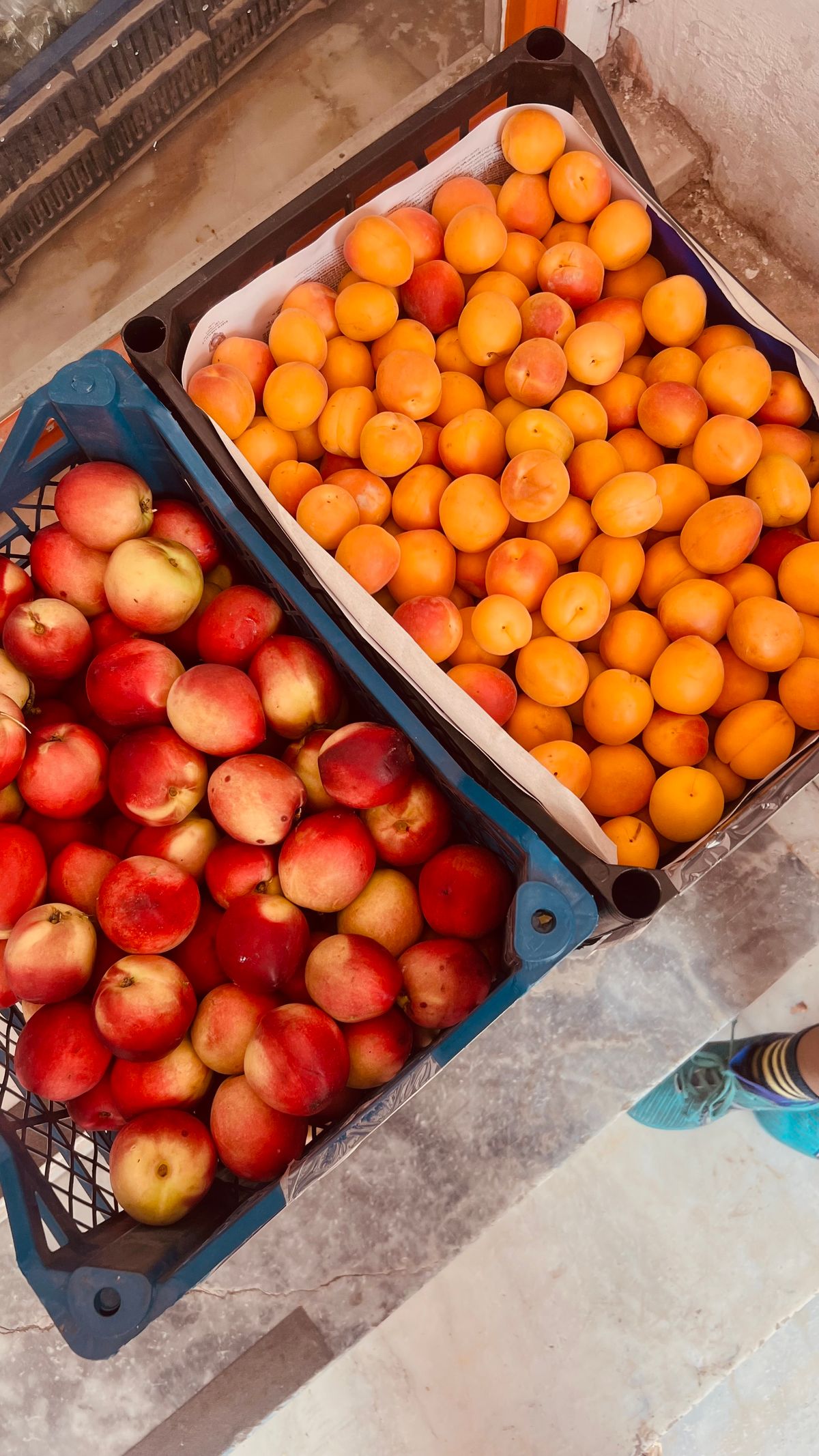
Perishables: where the time actually goes
With perishables, time is not money. Time is the product. Every hour a shipment sits is shelf life you do not get back, and the clock does not stop for a government hold.
Agricultural cargo carries an extra layer that other perishables do not. Beyond the FDA review that applies to edible produce, there is an agricultural inspection, and a lot selected for inspection waits. Meanwhile, carrier and terminal free time keeps running — and demurrage and detention are billed by carriers, terminals and equipment providers, not by the agencies whose hold caused the wait. Merchandise not entered within 15 calendar days of arrival can be moved to a General Order warehouse at the importer’s risk and expense.
None of that is within any broker’s control, and we will not tell you otherwise. What is within our control is everything upstream: admissibility confirmed, permit in hand, certificate worded correctly, treatment completed and documented, entry prepared before arrival. With perishables, the work that matters happens before the cargo lands. If it is ready when the shipment arrives, you save days. If it is not, you lose product.
“Speed at the border isn’t luck. It’s preparation that started weeks earlier.”
— Miguel A. Sierra, Owner and Director
It is not “just a number”
Clients are sometimes surprised that classifying a product takes real expertise. It’s just a number, they say. That number decides how much duty you pay, whether your goods are admissible at all, and how closely they are examined.
In agriculture, classification carries a particular weight: fresh, frozen, dried and prepared forms of the same commodity sit in different places in the tariff, and sometimes under different agency requirements entirely. The line between a fresh product and a processed one can change not just the duty rate but whether a permit is needed at all.
It is also a legal obligation. Under U.S. law, the importer of record has to use reasonable care in declaring value, classification and duty rate. Hiring a customs broker does not transfer that responsibility — it gives you a licensed professional helping you meet it. We will not promise a guaranteed classification, because no broker can; only CBP issues binding rulings. What we will do is bring an expert’s eyes to the decision and document the reasoning behind it.
From a farm abroad to a U.S. shelf
This is the path an agricultural product actually travels into the U.S. market — the whole route in one place.
- 1
Confirm admissibility
Check the specific commodity from the specific origin against APHIS’s databases, and establish the conditions of entry. Everything else depends on this answer.
- 2
Get the permit
Where the commodity requires an APHIS import permit, the U.S. importer applies through APHIS eFile before the shipment leaves.
- 3
Line up the phytosanitary certificate
Your country’s plant protection authority issues it, with the exact additional declarations APHIS requires for your commodity and origin.
- 4
Complete the treatment
Cold treatment, fumigation or irradiation where required, with the temperature or exposure data recorded and documented.
- 5
File the entry and the agency data
Customs entry, APHIS data, Lacey Act declaration where it applies, organic certificate data where it applies, and FDA Prior Notice where the product is food.
- 6
Clear inspection, and deliver
Agricultural inspection handled, release coordinated with the terminal, and cargo delivered with proof.
This is the path. We walk it with you.
Start a conversationWhy growers and importers choose Latin Gate
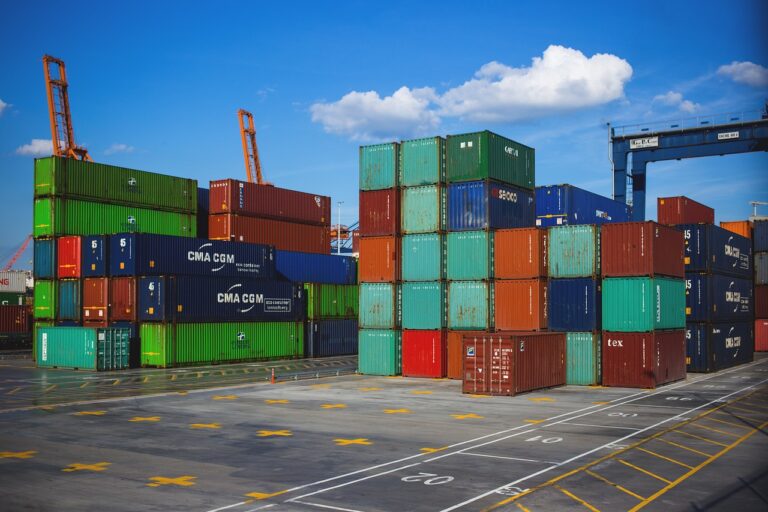
Bilingual, literally
When the customs broker, the packing house and the certificate all speak the same language, problems get resolved in minutes instead of days. Our team works in Spanish, English and Portuguese. For a phytosanitary wording question with an agricultural authority in Peru or Ecuador, that is not a nice detail. It is the whole difference.
Miami, and everywhere else
We are known as a Miami customs broker, and Miami is the largest U.S. gateway for fresh produce and cut flowers from Latin America. But your cargo does not only arrive in Miami. We hold a National Permit and file at ports across the United States.
We answer the admissibility question first
Most brokers start when the cargo is already on the water. In agriculture that is far too late. We would rather tell you in the first conversation whether your product can enter at all — including when the answer is no.
Twenty-five years, one owner
Latin Gate was founded in 2001 by Miguel A. Sierra and his wife Nilda, and it is still owner-led. Miguel has spent nearly 40 years in shipping and customs and was named to the Marquis Who’s Who Distinguished Leaders list in 2026. You are not going to be handed to a rotating account manager.
We tell you before you find out the hard way
Agricultural rules move constantly — pest alerts, new treatment requirements, expanded Lacey Act coverage, changes in how declarations are filed. We monitor USDA and CBP announcements so our clients hear about a new requirement from us first.
Agricultural products we clear
- Fresh fruit
- Fresh vegetables
- Tropical and exotic produce
- Berries and soft fruit
- Avocados and tropical staples
- Citrus
- Bananas and plantains
- Cut flowers and foliage
- Live plants and nursery stock
- Seeds for planting
- Seeds not for planting
- Grains, pulses and rice
- Coffee, green
- Cocoa beans
- Animal feed and forage
- Dried and processed fruit and vegetables
- Nuts in shell and shelled
- Spices and botanicals
- Wood and wood products
- Natural fibers
- Organic certified agricultural products
- Agricultural packaging and inputs
Note: edible products carry FDA requirements in addition to the USDA ones — Prior Notice, FSVP and the produce safety rules. Our food page covers that side in detail. Meat, poultry and egg products fall under USDA FSIS, a separate system again.
Ask about my productWe also clear food and beverage shipments and cosmetics and personal care.

“When Nilda and I started Latin Gate in 2001, the idea was simple: be the bridge that lets Latin American products reach the U.S. market without getting lost in the process. Two decades later, that is still the whole job. A producer in the region makes something excellent. A U.S. buyer wants it. Between them sits a border, a stack of regulations and a hundred ways to lose time. Our work is to make that crossing clean.”
Agricultural import FAQ
Not seeing your situation? A 15-minute call usually answers it.
Ask a customs brokerHow do I know if my product can be imported into the United States at all?
APHIS maintains databases listing which commodities may enter from which countries and under what conditions — the Fruits and Vegetables Import Requirements database for produce, and a broader system for other commodities. If your commodity from your origin is not listed, it is not admissible, and no paperwork changes that. This is the first thing we check for any agricultural client, and we do it before anything else.
What happens if my product is not admissible?
Opening a new commodity-origin combination requires a formal market access process led by your country’s plant protection authority together with APHIS, including a pest risk assessment. It generally takes years. In the meantime there is sometimes an alternative: dried, cooked or otherwise processed forms of the same product are often admissible when the fresh form is not. We will tell you honestly which situation you are in.
Do I need an import permit and a phytosanitary certificate, or just one?
They are different documents from different places. The APHIS import permit is issued to the U.S. importer before the shipment leaves. The phytosanitary certificate is issued by the plant protection authority in your own country. Most fresh produce needs the certificate; many plants and seeds for planting need both. The requirement depends on the commodity and the origin.
Who issues the phytosanitary certificate?
The national plant protection organization of the exporting country — not the United States. What matters most is not just having it, but having it carry the exact additional declarations APHIS requires for your commodity and origin. A certificate with almost the right wording does not clear. We tell you what it has to say before you request it.
Can I send a scanned copy of the certificate?
Generally no. The United States normally requires the original. Build that into your document flow from the first shipment rather than discovering it with cargo already in transit.
What is cold treatment and when is it required?
It is a quarantine treatment in which fruit is held at a specified temperature for a specified number of days, usually in transit, to eliminate pests of concern. It is required for certain commodity-origin combinations as a condition of admissibility. The temperature has to be maintained and recorded with calibrated probes — a treatment that fails its profile mid-voyage is a failed treatment, and the fruit arrives inadmissible.
What changed with Lacey Act declarations in 2026?
Since January 1, 2026, APHIS no longer accepts paper declarations. All Lacey Act declarations for covered plants and plant products have to be filed electronically, either through CBP’s ACE system with the entry or through USDA’s Lacey Act Web Governance System. Paper is accepted only in emergencies with prior approval. We file ours electronically with the entry.
My product is certified organic. Is there anything extra?
Yes, and it is a frequent cause of problems. Every shipment of organic product entering the United States must be associated with a valid NOP Import Certificate, generated in USDA’s database by your certifier, with its data filed electronically on the customs entry. The U.S. importer also has to be certified organic. And since October 2025, an organic shipment arriving without a valid certificate can no longer be reconditioned into compliance.
Do I need a PACA license?
Commercial handlers of fresh and frozen fruits and vegetables in the United States generally need one. It is a USDA licensing requirement separate from customs and from plant health, and it applies to the U.S. side of the transaction. We will tell you whether your operation falls within it.
My product is fresh fruit. Does the FDA get involved too?
Yes. Edible produce is both an agricultural commodity and a food, so USDA plant health requirements and FDA food safety requirements apply at the same time — including Prior Notice and the Foreign Supplier Verification Program. We handle both sides, and our food page covers the FDA half in detail.
How do we get started?
With the admissibility question. Tell us the commodity and the country of origin and we will check it. If it is admissible, we will tell you the conditions, send a Power of Attorney and the onboarding documents, and give you a quote. If it is not, we will tell you that too, in the first conversation, before you spend anything.
Start with the admissibility question
Tell us what you grow and where you grow it, and we will tell you whether it can enter the United States and under what conditions. That answer is free, it takes one conversation, and it is the single most useful thing you can know before committing to this market.
info@latingatechb.com · Miami, Florida · Serving all U.S. ports · We answer in English, Spanish and Portuguese.
- 01Tell us the commodity and origin
Two facts are enough to start: what you grow and where you grow it.
- 02We check admissibility
Whether it can enter the United States, and under what conditions.
- 03Permit, documents and quote
If it is admissible, we lay out the path and send the onboarding documents and a quote.
The information on this page is general in nature and current as of November 2026. It is not legal advice. U.S. agricultural import requirements change frequently and vary by commodity and origin — confirm current requirements with USDA APHIS, CBP, the FDA or qualified counsel before relying on this information for a specific shipment.